Brita Elite vs ZeroWater 10-Cup: Which Pitcher Filters More? (2026)
Winner: ZeroWater 10-Cup
This is a historical specification comparison, not a current buying recommendation. ZeroWater removes virtually all dissolved solids and is NSF 53 certified for lead reduction. But Brita Elite is the better value for most households thanks to dramatically longer filter life (120 gallons vs 15-40 gallons) and lower cost per gallon.
Based on NSF/ANSI certification listings, manufacturer filter-life ratings, and published filter costs for both pitchers
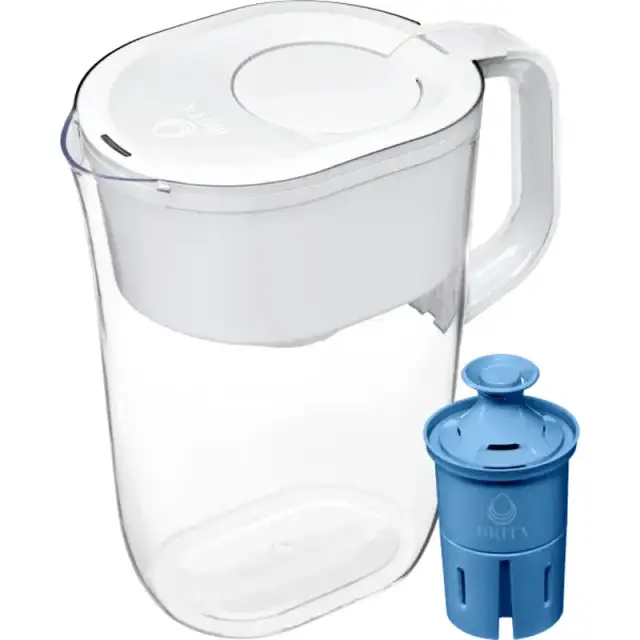
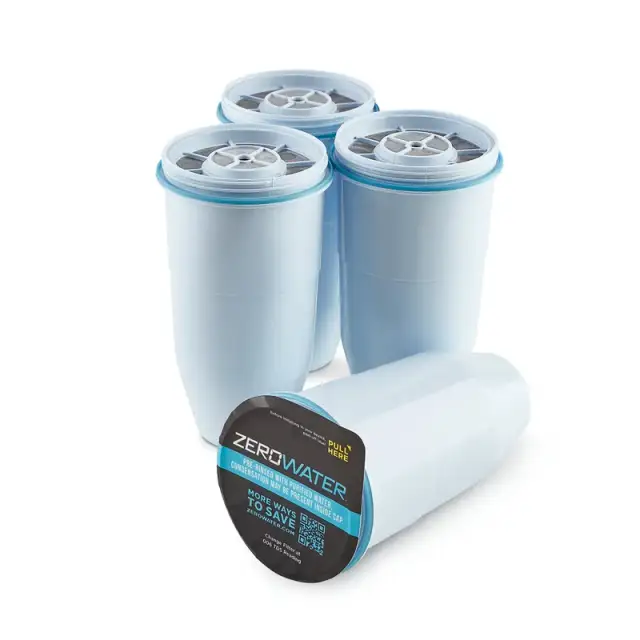
We no longer recommend the original Brita Everyday/Elite 10-cup pitcher as a current buy; its previous purchase price is not a current price. Both purchase links are withdrawn. See the pitcher roundup for a current alternative. The Brita Elite and ZeroWater 10-Cup take fundamentally different approaches to filtration. Brita uses an activated carbon and ion exchange filter optimized for taste and chlorine removal. ZeroWater uses a 5-stage filter designed to strip out virtually all dissolved solids. The question is whether that extra filtration justifies the higher ongoing cost.
Brita
Brita Elite 10-Cup
ZeroWater
ZeroWater 10-Cup
Head-to-Head Specs
From manufacturer specs and certified ratings, not our own tests. How we research
Filter Life
TDS Removal
Cost per Gallon
Lead Reduction
Detailed Specs Comparison
| Spec | Brita Elite 10-Cup | ZeroWater 10-Cup |
|---|---|---|
| Filter Technology | Activated carbon + ion exchange | 5-stage ion exchange |
| NSF Certifications | 42, 401 | 53 |
| Filter Life | 120 gallons (~6 months) | 15-40 gallons (~2-8 weeks) |
| TDS Removal | Partial reduction | 99.6% (reads 000 on TDS meter) |
| Chlorine Taste/Odor | Yes (NSF 42) | Yes |
| Lead Removal | Not certified | Yes (NSF 53) |
| Pitcher Capacity | 10 cups | 10 cups |
| Replacement Filter Cost | ~$8 per filter | ~$12-15 per filter |
| Filtration Speed | ~3-4 minutes for full reservoir | ~5-7 minutes for full reservoir |
Where Each Excels
Brita Elite 10-Cup
- 120-gallon filter life keeps ongoing costs low
- NSF 42 and 401 certified for chlorine taste and emerging contaminants
- Fast filtration speed, fills in under 5 minutes
- Comfortable grip and easy-pour design
- Wide availability for replacement filters
ZeroWater 10-Cup
- Reduces TDS to virtually zero for the purest pitcher-filtered water
- NSF 53 certified for lead reduction
- Includes a free TDS meter to verify performance
- 5-stage filtration removes more contaminant categories than any competing pitcher
- Sealed lid design reduces spills
Which One Is Right for You?
Choose Brita Elite 10-Cup if...
Historical fit only; the original Brita is not a current purchase pick. ZeroWater is also a historical comparison. You want a reliable, low-maintenance pitcher that makes tap water taste great without spending a lot on replacement filters. The Brita Elite is ideal for households on municipal water where chlorine taste is the main concern and lead levels are within safe limits. At roughly $0.05 per gallon, it is one of the cheapest ways to improve your drinking water.
Choose ZeroWater 10-Cup if...
You want the highest level of contaminant removal a pitcher can deliver, especially if you are concerned about lead, dissolved solids, or live in an area with high TDS readings. Its TDS meter is a filter-life gauge, not a test of water safety. Just budget for more frequent filter replacements.
Our Verdict
The historical ZeroWater result reflects contaminant removal as the primary reason people buy a water filter pitcher. ZeroWater's 5-stage ion exchange filter reduces TDS to zero and holds NSF 53 certification for lead, something the Brita Elite cannot match. However, that superior filtration comes at a real cost. ZeroWater filters last only 15-40 gallons depending on your source water's TDS level, while Brita Elite filters last a full 120 gallons. Over a year of typical use, ZeroWater filter replacements cost roughly $120-150 compared to Brita's $28-35. If your main concern is chlorine taste and odor rather than heavy metals or TDS, the Brita Elite was the lower-cost choice in this comparison. If you want more filtration, especially in areas with high TDS or lead concerns, compare the model-specific data and filter costs. Its purchase link is withdrawn.
Our estimated costs use published filter and energy assumptions; these totals are our calculations.
Our Estimated 5-Year Ownership Costs
| Cost | Brita Elite 10-Cup | ZeroWater 10-Cup |
|---|---|---|
| Filters (5 years) | $160 | $700 |
| Energy (5 years) | $0 | $0 |
Running costs only: this table compares replacement filter and energy costs and leaves out the purchase price. Check the current price on Amazon before you buy.